
Dolphin Emulator is one of the most popular open-source emulators for playing Nintendo GameCube and Wii games on modern computers. Thanks to FunOS being based on Ubuntu, installing Dolphin Emulator is straightforward and flexible. In this article, you will learn what Dolphin Emulator is, how to install it on FunOS using two different methods, how to launch it, and how to completely remove it if you no longer need it.
This guide is written in a descriptive, step-by-step format, making it suitable for both new and experienced FunOS users.
What is Dolphin Emulator?
Dolphin Emulator is a free and open-source emulator that allows you to run Nintendo GameCube and Nintendo Wii games on Linux, Windows, and macOS. It offers many advanced features compared to the original consoles, such as:
- Higher internal resolutions (HD and 4K rendering)
- Save states and cheats
- Controller support (keyboard, gamepad, and original Wii controllers)
- Performance enhancements and graphical improvements
Dolphin is actively developed and regularly updated, making it one of the most mature and accurate console emulators available today.
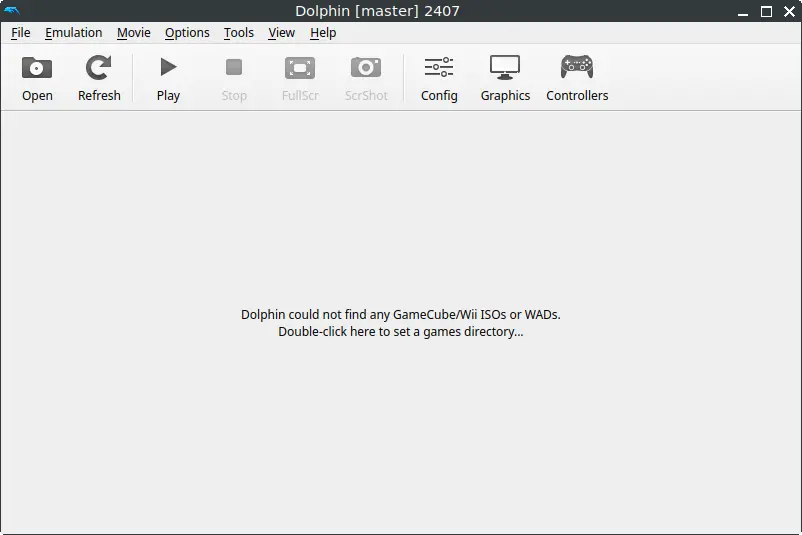
How to Install Dolphin Emulator on FunOS
There are two recommended ways to install Dolphin Emulator on FunOS:
- Installing from the official Ubuntu repositories (stable and simple)
- Installing from the Dolphin-emu PPA (recommended for newer versions)
Choose the method that best fits your needs.
Method 1: Installing from the Ubuntu Repositories
Work on: 22.04.5 ❌ | 24.04.5 ❌ | 25.10 ✅ | 26.04.1 ✅
This method installs Dolphin Emulator from the official Ubuntu repositories. It is stable and suitable for users who prefer system-tested packages.
Step 1: Open a Terminal
You can open the Terminal in one of the following ways:
- Click Menu in the lower-left corner of the screen, then click Terminal
- Click the Terminal icon in the Tray
- Press Ctrl + Alt + T on your keyboard
Step 2: Update the Package List
Updating the package list ensures that you install the latest available version from the repositories.
sudo apt updateStep 3: Install the Necessary Dependencies
Dolphin Emulator requires Qt6 components to run correctly on FunOS.
sudo apt install qt6-wayland qt6-qpa-pluginsStep 4: Install Dolphin Emulator
Now install Dolphin Emulator using APT.
sudo apt install dolphin-emuStep 5: Reload the Menu
Note: Starting with FunOS 24.04.4 LTS (Build 20260618) and FunOS 26.04 LTS (Build 20260618), the menu updates automatically, so you can skip this step.
After installation, reload the JWM menu so the Dolphin Emulator shortcut appears.
- Click the Menu button in the lower-left corner
- Click Reload menu
Method 2: Installing from the Dolphin-emu PPA (Recommended)
Work on: 22.04.5 ✅ | 24.04.5 ✅ | 25.10 ✅ | 26.04.1 ✅
This method installs Dolphin Emulator from a dedicated PPA maintained by Panda Jim (Ubuntu Handbook). It usually provides newer versions and faster updates compared to the official repositories.
Step 1: Open a Terminal
You can open the Terminal using one of these methods:
- Click Menu in the lower-left corner of the screen, then click Terminal
- Click the Terminal icon in the Tray
- Press Ctrl + Alt + T
Step 2: Add the Dolphin-emu PPA
Add the Dolphin Emulator PPA maintained by Panda Jim:
sudo add-apt-repository ppa:ubuntuhandbook1/dolphin-emuStep 3: Update the Package List
Refresh the package list to include packages from the newly added PPA.
sudo apt updateStep 4: Install the Necessary Dependencies
Install the required Qt6 dependencies:
sudo apt install qt6-wayland qt6-qpa-pluginsStep 5: Install Dolphin Emulator
Install Dolphin Emulator from the PPA:
sudo apt install dolphin-emuStep 6: Reload the Menu
Note: Starting with FunOS 24.04.4 LTS (Build 20260618) and FunOS 26.04 LTS (Build 20260618), the menu updates automatically, so you can skip this step.
Reload the menu so the application appears in the system menu.
- Click the Menu button in the lower-left corner
- Click Reload menu
Launching Dolphin Emulator
To launch Dolphin Emulator:
- Click the Menu button in the lower-left corner
- Navigate to the Games category
- Click Dolphin Emulator
When launched for the first time, Dolphin will create its configuration directories and guide you through basic setup options.
How to Uninstall Dolphin Emulator on FunOS
If you no longer need Dolphin Emulator, you can remove it completely from your system. Follow the instructions based on how you installed it.
Uninstall Dolphin Emulator Installed from the Ubuntu Repositories
Step 1: Open a Terminal
Open the Terminal using one of the following methods:
- Click Menu in the lower-left corner, then click Terminal
- Click the Terminal icon in the Tray
- Press Ctrl + Alt + T
Step 2: Remove Dolphin Emulator
Remove Dolphin Emulator and its configuration files:
sudo apt remove --purge dolphin-emuStep 3: Remove Any Unused Dependencies
Clean up unused packages:
sudo apt autoremove --purgeStep 4: Remove User Data (Optional)
If you want to remove all user configuration and cache files:
rm -rf $HOME/.config/dolphin-emu
rm -rf $HOME/.cache/dolphin-emu
rm -rf $HOME/.local/share/dolphin-emu
Step 5: Reload the Menu
Note: Starting with FunOS 24.04.4 LTS (Build 20260618) and FunOS 26.04 LTS (Build 20260618), the menu updates automatically, so you can skip this step.
- Click the Menu button in the lower-left corner
- Click Reload menu
Uninstall Dolphin Emulator Installed from the Dolphin-emu PPA
Step 1: Open a Terminal
Open the Terminal using one of these methods:
- Click Menu in the lower-left corner, then click Terminal
- Click the Terminal icon in the Tray
- Press Ctrl + Alt + T
Step 2: Remove Dolphin Emulator
sudo apt remove --purge dolphin-emuStep 3: Remove Any Unused Dependencies
sudo apt autoremove --purgeStep 4: Remove the Dolphin-emu PPA
Remove the PPA from your system:
sudo add-apt-repository --remove ppa:ubuntuhandbook1/dolphin-emuStep 5: Update the Package List
sudo apt updateStep 6: Remove User Data (Optional)
rm -rf $HOME/.config/dolphin-emu
rm -rf $HOME/.cache/dolphin-emu
rm -rf $HOME/.local/share/dolphin-emu
Step 7: Reload the Menu
Note: Starting with FunOS 24.04.4 LTS (Build 20260618) and FunOS 26.04 LTS (Build 20260618), the menu updates automatically, so you can skip this step.
- Click the Menu button in the lower-left corner
- Click Reload menu
Conclusion
Dolphin Emulator runs very well on FunOS thanks to its Ubuntu LTS base and lightweight desktop environment. You can choose the official Ubuntu repositories for stability or the Dolphin-emu PPA for newer features and updates. With proper installation and menu reloading, Dolphin integrates smoothly into the FunOS system.
We hope this guide helps you enjoy your favorite GameCube and Wii games on FunOS. For more FunOS tutorials and documentation, visit https://funos.org/documentation/.